Baylor UniversityMechanical Engineering

Project

Additive Friction Surfacing for Large Steel Components

An ARPA-E program developing solid-phase additive friction surfacing for large steel components with shorter lead times and improved service performance.

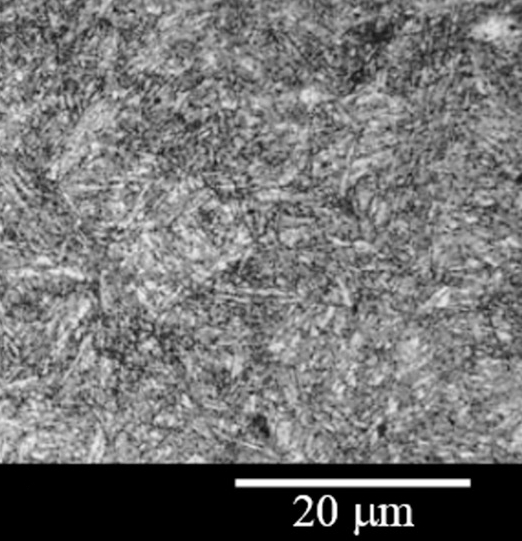
Electron microscopy view of a refined steel microstructure from related friction-based processing work
Related microstructural evidence from Dr. Zhang’s friction-based steel-processing research.Zhang research publication figure · Source ↗

Project overview

Pacific Northwest National Laboratory is developing additive friction surfacing for large steel components used in power generation and manufacturing, with Baylor University as a partner. A rotating bar feedstock traverses under pressure; frictional heating and shear plasticize and deposit the material without conventional melting.

The program targets an order-of-magnitude reduction in manufacturing lead time and microstructures with improved properties relative to fusion-based additive routes. The work links process mechanics, deposition, microstructure, and service behavior in extreme environments.

additive friction surfacinglarge-scale manufacturingsteelextreme environments

Program focus

Scale a solid-phase deposition route for large steel components while improving microstructure and reducing lead time.

Partner organization contributing materials-processing and structure–property expertise.

  1. 01

    Rotate and press bar feedstock against the build surface

  2. 02

    Generate localized frictional heat and intense shear

  3. 03

    Plasticize and deposit steel without bulk melting

  4. 04

    Connect deposited microstructure to extreme-environment service